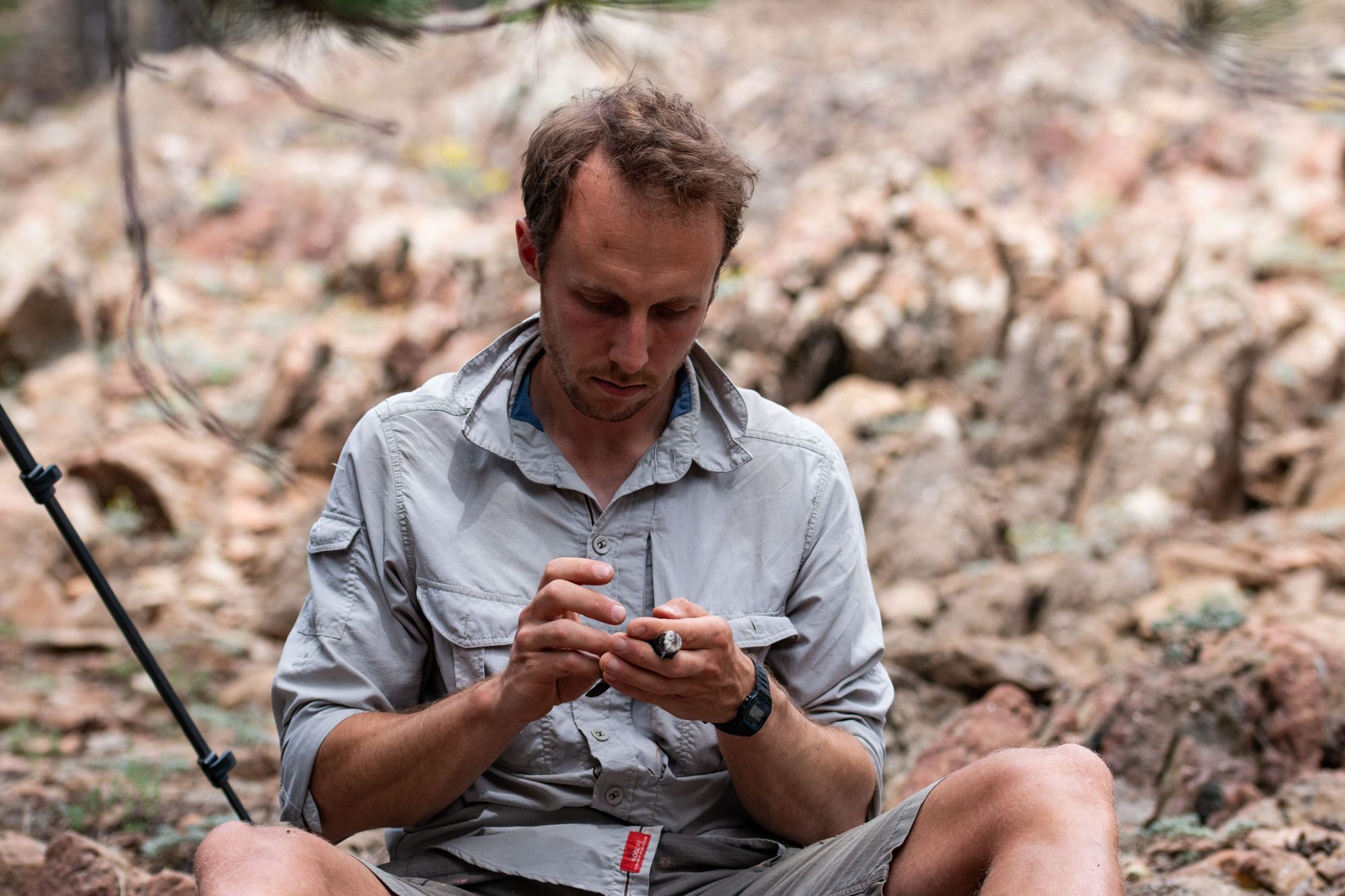
I have experience tutoring across a broad range of topics in ecology and statistics.
My PhD course included 400 hours of teaching and demonstrating per year.
I gained formal training and experience in teaching, tutoring and mentoring during my career in the RAF. I taught engineering topics during my role as an aircraft mechanic instructor and taught various mountaineering and rescue skills as an instructor for the RAF Mountain Rescue Service.
Here are the modules that I’ve been involved with while teaching at the University of St Andrews:
First Year
Biology 1: Introduction to molecular and cellular biology. It covers cell diversity and the origins of life, cellular structures and fundamental processes.
Biology 2: Introduction to the diversity of life on Earth, addressing key elements of organismal and ecological aspects of life.
Second year
Research Methods in Biology
Invertebrate Zoology: Surveys the major invertebrate groups, emphasising the diversity of body plans while demonstrating how the common functional requirements such as feeding, reproduction, respiration and excretion are achieved.
Comparative Physiology: Covers the principles of physiological adaptation in a range of animals, including examples from all major taxa and from all habitats.
Ecology: Introduces basic concepts in population, behavioural and community ecology and how they relate to biodiversity.
Vertebrate Zoology: Explores the diversity of vertebrate animals, beginning with the closest relatives of vertebrates and the evolutionary origins of the group.
Evolutionary Biology: Gives an overview of the history and major principles of modern evolutionary biology.
Animal Behaviour
Third Year
Statistical and Quantitative Skills for Biologists
Aquatic Ecology field course to FSC Kindrogon
Ecosystems and Conservation
Animal and Plant Interactions
Terrestrial Zoology
Animal Behaviour: A Quantitative Approach
Fourth Year
Rewilding and Restoration Ecology
 Rob Patchett